

I’ve spent my career at Ford of Canada, and if there’s one thing this job has taught me, it’s that Canadians don’t back down from a hard year. They just get on with it.
We’ve had a run of hard years. COVID. Supply shortages. Regulatory change. Affordability pressure. Trade uncertainty.
Somewhere in the middle of all that, our dealers kept their doors open and their communities standing. Our plant workers kept showing up, shift after shift. Nobody made a fuss about it. They just kept going, because that’s what they do.
Ford has been part of this country for more than 122 years, and we are all proud of that. But I’ve never been one to linger on history too long. I prefer to talk about the future.
$5 Billion Says We Mean It
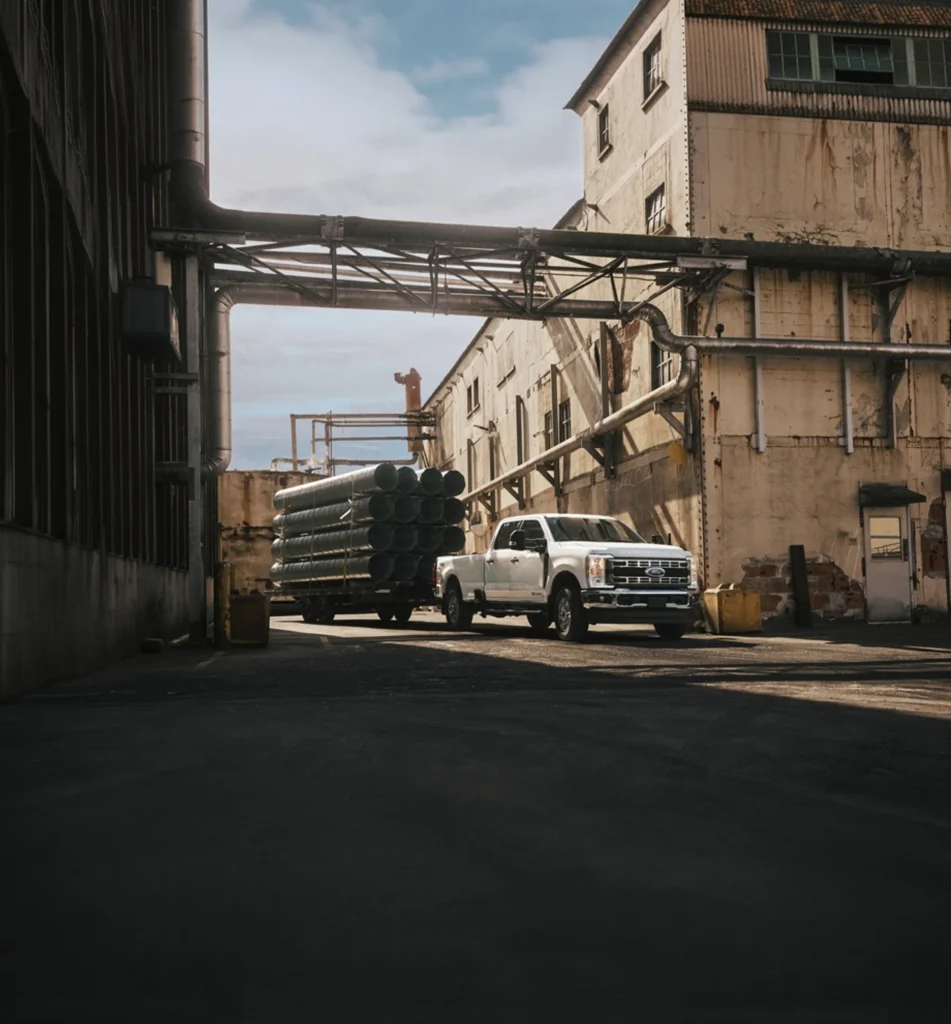
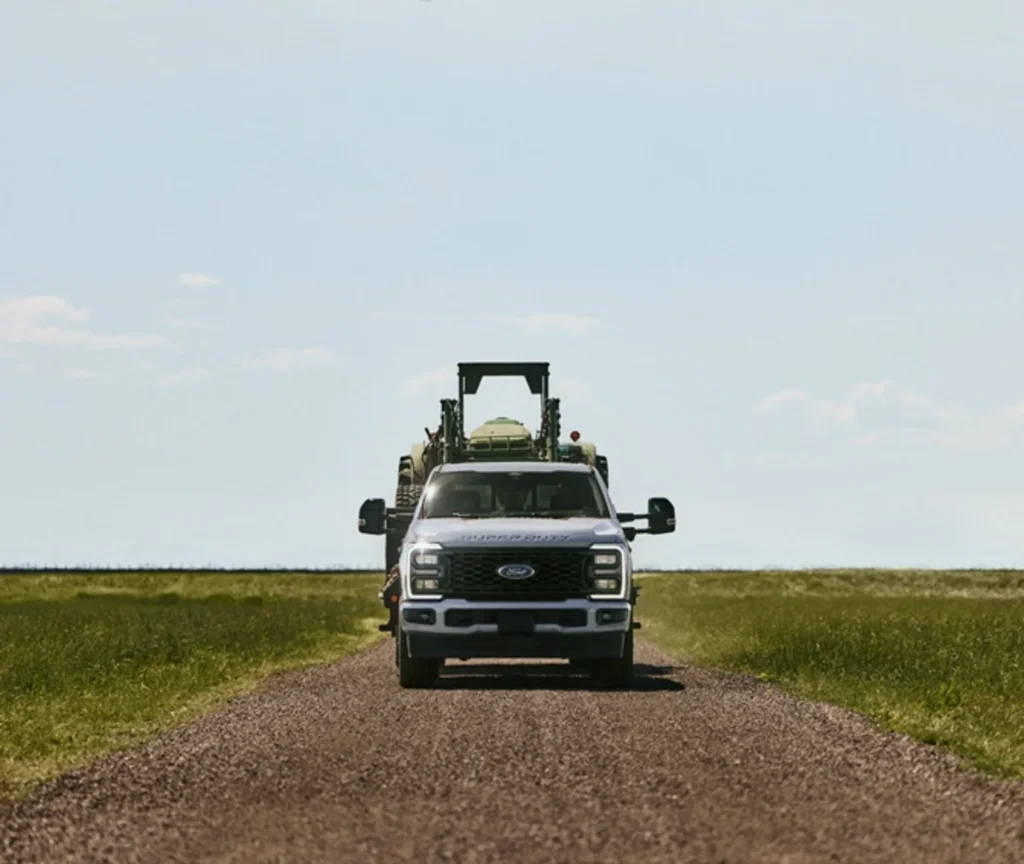
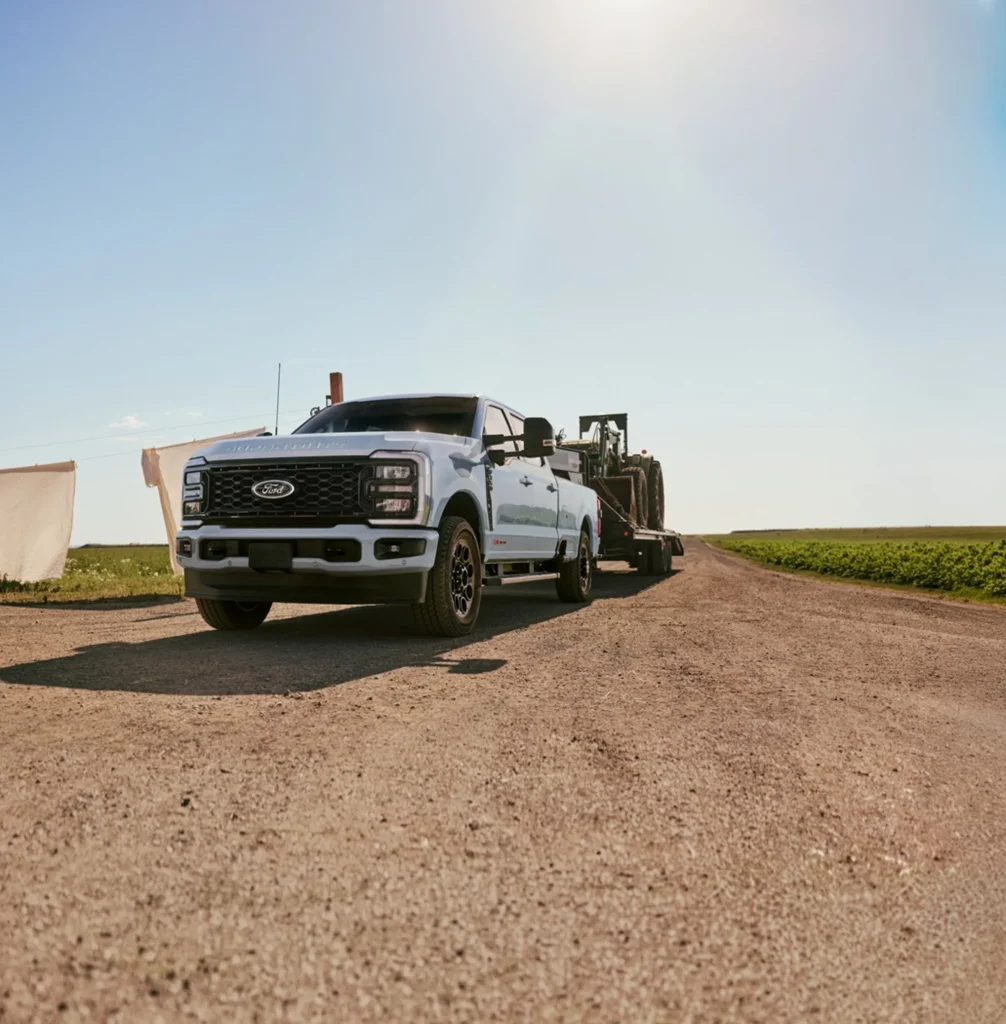
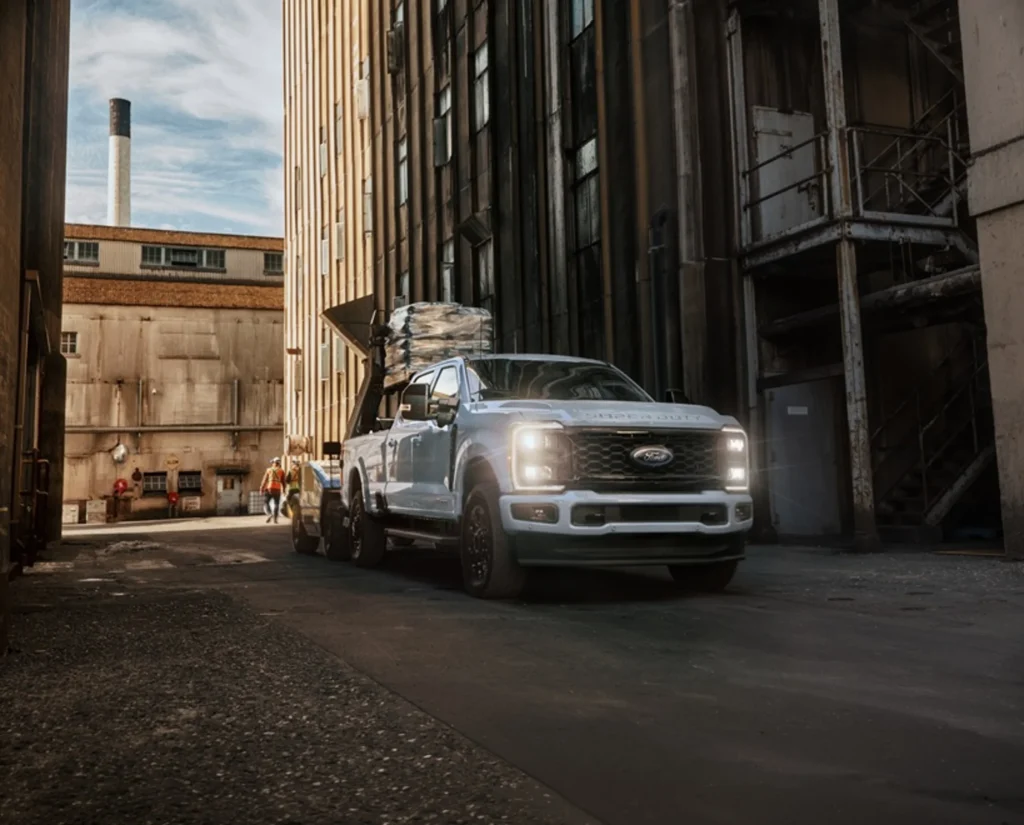
We’re close to opening Ford’s all-new Oakville Assembly Complex. Close to $5 billion of investment, retooled from the ground up, including a new stamping plant, so we can build the Super Duty right here.
It’s coming online at an odd moment for this industry. Trade friction. Electric vehicle timelines that keep moving. Costs that make everyone nervous. New competitors nobody was worried about a decade ago.
But when things get hard, our instinct here at Ford has generally been to figure it out rather than pack up. Right now, with Oakville, that instinct means doubling down instead of pulling back. Same goes for our engine plants in Windsor.
There’s No Can’t in Canada
A few of us were in a room trying to find the right way to say all this, and someone landed on a phrase that stuck: there’s no can’t in Canada.
It’s not really a slogan, more a way people in this country already think. Something goes wrong, and the question isn’t whether you’ll fix it, it’s how. Put a capable person behind the wheel of a truck designed by people who think that way, and you start to understand why we like the phrase so much.
We decided the clearest way to prove we meant it wasn’t another ad. Instead, we put our money where our mouth is. Employee pricing, open to every customer, not just people who work here.
You pay what we pay. No fine print, no games, just the same number our own employees get.
We Started Using Real Customers and Employees More Often
Now, we still need to communicate this message, so people see it.
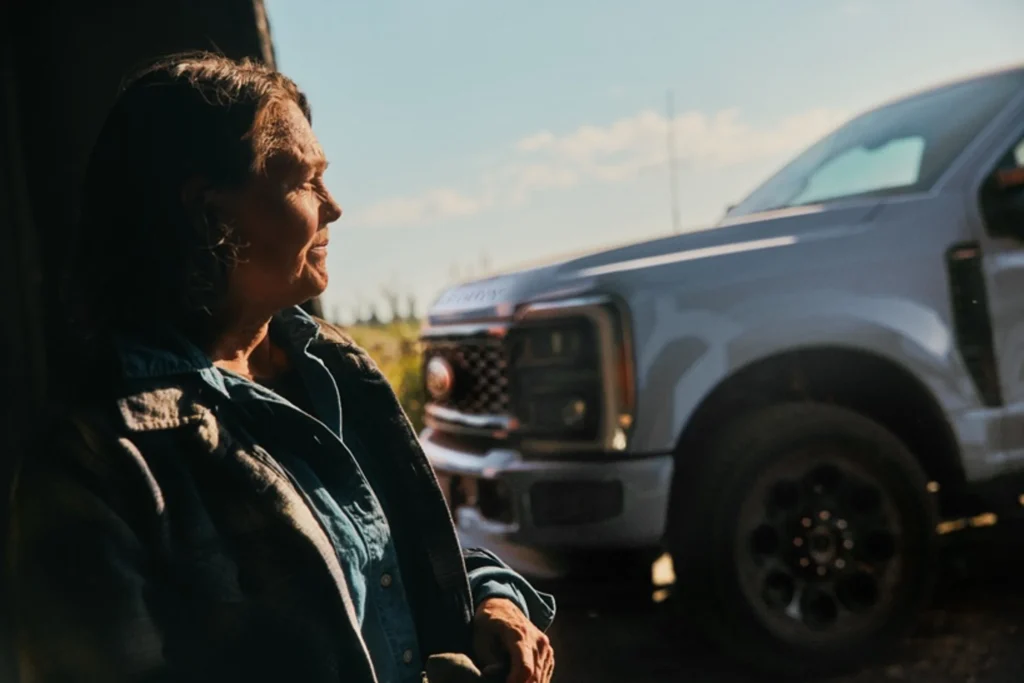
And if you’ve caught any of our advertising this year, you’ve probably noticed the trucks look a little more like the people driving them.
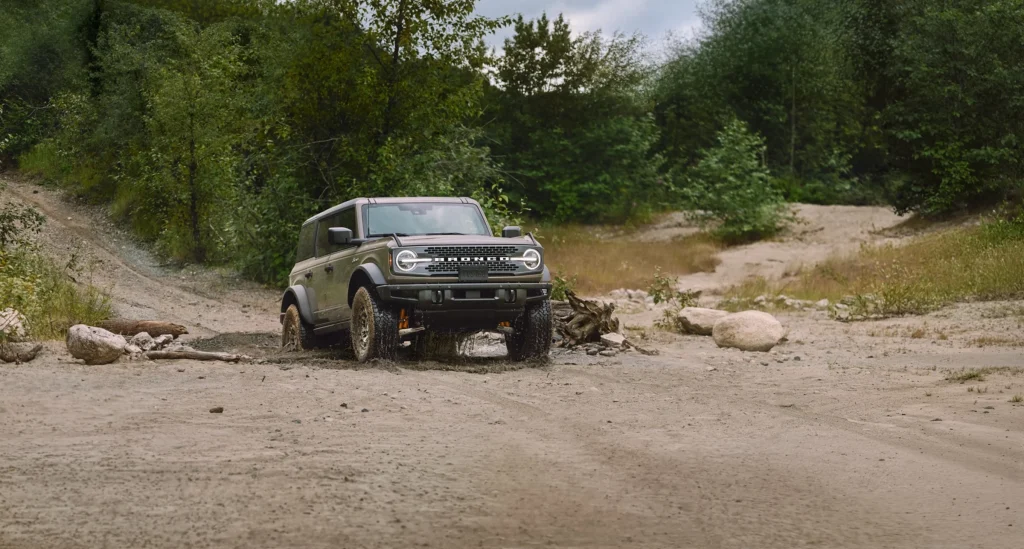
A Bronco loaded up for a weekend that doesn’t go as planned.
A Maverick doing the kind of job that never makes it into a brochure.
That’s on purpose.
We’ve learned that Canadians respond less to slick and more to true. Sixty years of truck ownership stories, told by the actual owners. Showing up in Montreal for F1 with something that looked like it belonged there instead of something flown in for the weekend. A Canadian team finishing the Dakar Rally in a stock Bronco Raptor, no shortcuts, no excuses. Every time we’ve told a real story instead of a polished one, people noticed.

That matters more right now than it might have five years ago. There’s a real current of pride running through this country at the moment, and people can tell the difference between a company that’s decorating itself in a flag for a quarter and one that’s actually built something here.
We’d rather point at Windsor, Waterloo, Ottawa, Markham, and Oakville – actual buildings, actual jobs, actual people who’ll still be there next year – than at a maple leaf in an ad.
We’re an American company, and I won’t pretend otherwise. But we’ve been living here long enough, building here long enough, that I think of us as a citizen of this country as much as a visiting one.
For the Electrician, Not the Executive
This isn’t a story for people in this industry. It’s for the electrician who needs a truck that starts every morning at -20 degrees, the family driving six hours to a cottage they’ve been going to for 30 years, the rally team that got through terrain built to stop them and didn’t stop.


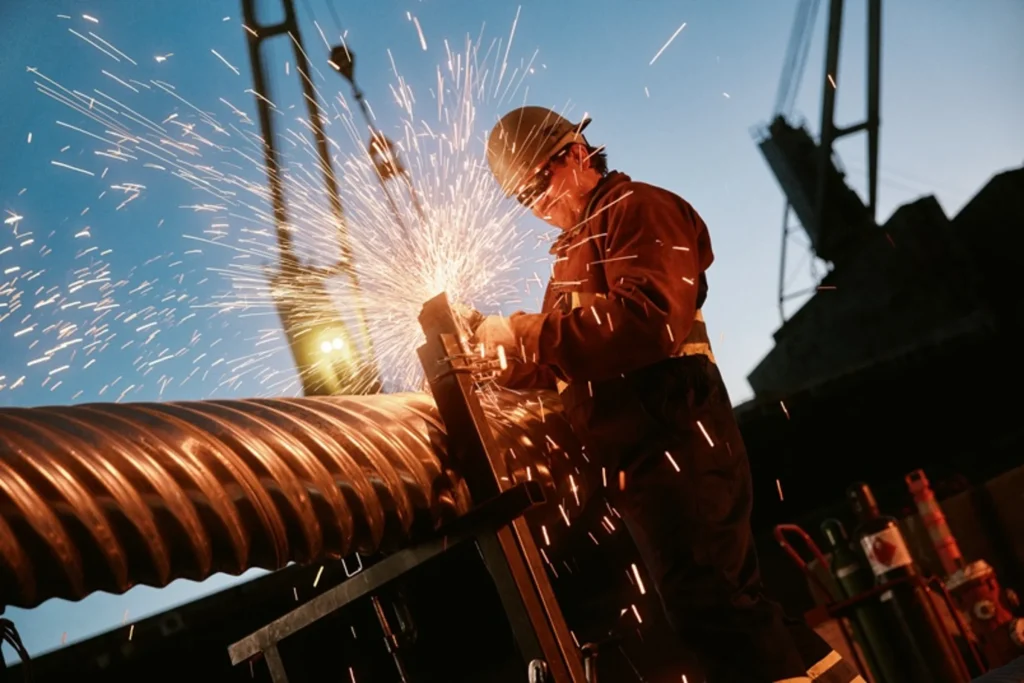
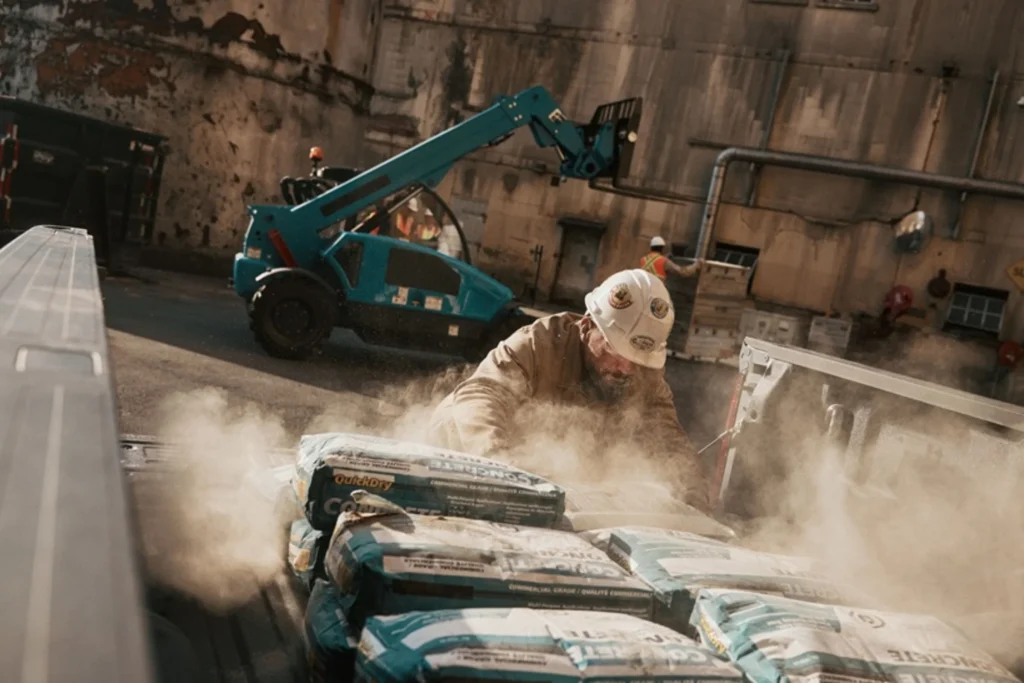
I don’t think there was ever really a “can’t” in this country to begin with. Ford just intends to keep proving it, one plant, one truck, and one customer at a time.